January 8, 2025
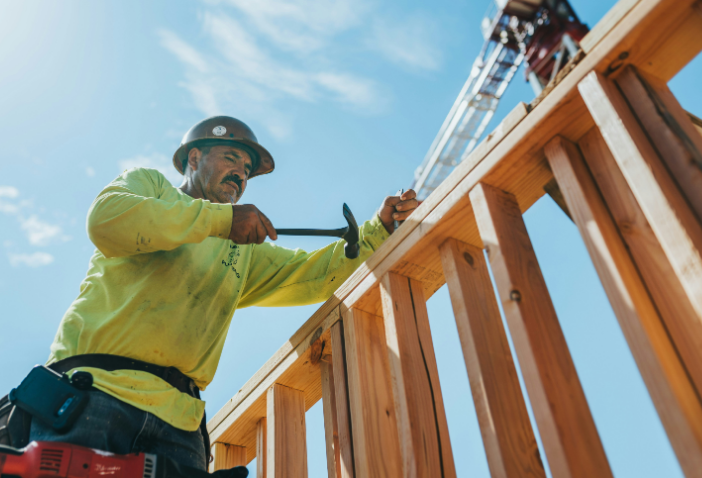
As we dive into 2025, Diversity, Equity, and Inclusion (DEI) are more than buzzwords - they're essential for the growth and success of businesses everywhere. One industry showing significant progress is construction, where DEI principles are making a noticeable impact on projects and company growth.
Mortenson Leads the Way in Construction DEI
Mortenson, a key player in the construction field, recently made waves by appointing Derek Cunz as their new CEO. In a recent article from Construction Dive, Derek outlined his commitment to DEI, including ambitious hiring goals and a nurturing work environment. This year, Mortenson is set to hire 250 college grads and over 500 experienced pros, expanding its craft workforce to over 4,000 people. The cornerstone of their strategy is the LeadBLU program, which fosters a caring culture and continuous improvement at all levels of the company.
Derek’s plan is simple: make every job site a place where people want to keep coming back. He’s focused on creating an inclusive, welcoming work environment. Mortenson is also taking part in Construction Inclusion Week, striving to make the construction field more appealing and equitable.
Costco Defends DEI Initiatives Amid Investor Pushback
The importance of DEI stretches beyond construction. Take Costco, for example. They've faced some investor pushback on their DEI efforts but continue to champion these initiatives as vital to their business. They argue that their diverse workforce is a key driver of innovation and customer engagement, crucial for their unique retail experience.
They say they won’t back down without a fight, and are expecting a shareholder vote in the coming weeks.
Big Changes at Meta: Rethinking DEI
Meta’s making headlines by dialing back their Diversity, Equity, and Inclusion (DEI) program as part of a broader budget cut strategy. This decision is sparking a lot of debates, especially about the implications for workplace culture and diversity. While cost-saving measures are understandable in tough economic times, scaling back on DEI could be a step back for inclusivity. Concerns are growing about how companies prioritize their values under financial pressure, highlighting the delicate balance between profitability and social responsibility in the tech world.
For more on this, check out the full article on CNN.
Navigating DEI Challenges in Construction
Now, let's head back to construction. Bringing DEI into projects isn't straightforward, the industry tends to be steeped in traditions and can be slow to adopt new practices.
Here are some of the roadblocks we face:
- Resistance to Change: It's tough to shake up old habits, especially in construction, where longstanding practices are deeply ingrained.
- Investing in Training: Implementing effective DEI initiatives requires not just commitment but also significant resources - both time and money - and no one has either of those in surplus.
- Measuring Impact: We also need clear, practical metrics to truly gauge how well these DEI efforts are working, from a compliance angle and also an ROI angle.
One way general contractors like Cauldwell Wingate are addressing these challenges is by using platforms such as Tough Leaf, a construction technology company, that helps them connect with small and diverse firms. This makes it easier to manage resources and track progress.
[Case Study] See how the City of New Rochelle uses Tough Leaf to boost its diverse supplier program
Navigating Regulatory Frameworks
Beyond the challenges of DEI, there are also regulatory policies that need to be remembered. For construction firms, especially those engaged with public projects, adhering to these specific regulations is important:
- Executive Order 11246 for contracts exceeding $10,000
- Section 503 of the Rehabilitation Act for contracts above $15,000
- VEVRAA standards for contracts of $150,000 or more
- Affirmative Action Program (AAP) requirements for larger contractors
These regulations open new revenue opportunities for firms who excel in DEI implementation.
Tangible Benefits Across the Board
Being a GC that excels in DEI can be in your best interest. Organizations with robust DEI programs report measurable gains such as:
- Broader access to skilled labor in competitive markets
- Enhanced problem-solving capabilities for complex projects
- Competitive edge in project bids and delivery
- Improved retention rates
- Increased innovation through diverse viewpoints
- Stronger customer relationships and market insight
Looking Forward
The construction industry’s journey with DEI is ongoing. Companies like Mortenson in construction and Costco in retail demonstrate that a commitment to DEI not only fosters innovation and growth but is also just smart business in today’s marketplace.
For more information on Tough Leaf, head to our website or book a demo to learn more.
Stay Ahead of What’s Happening in Construction
Get monthly insights on sourcing, compliance, participation, and reporting — plus updates on what Tough Leaf is building and learning alongside owners, agencies, and GCs.
Built for Prime Contractors, Government Agencies, and Certified Subcontractors.
.svg)
.svg)
.svg)
.svg)
.svg)